
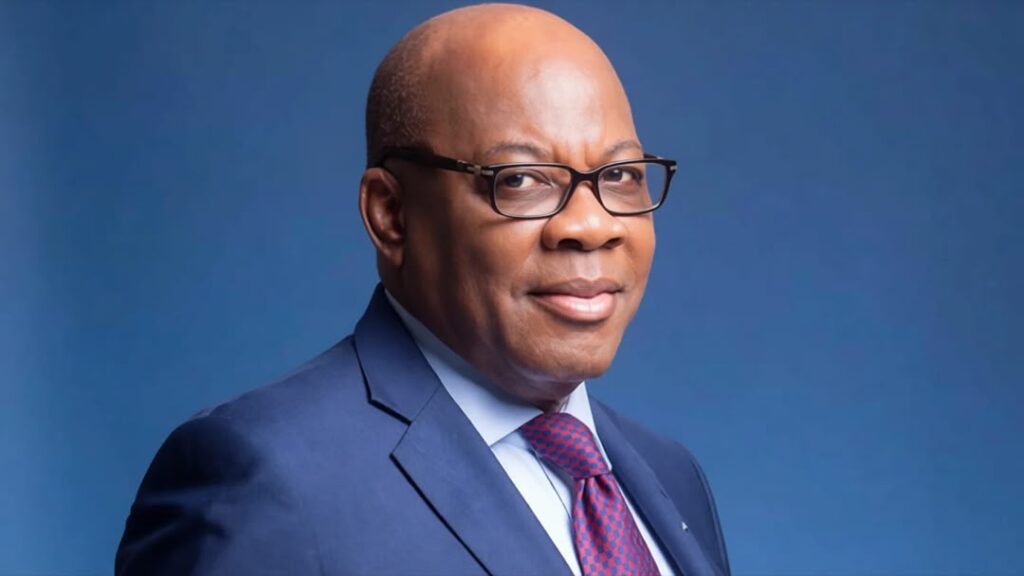
Senior Advocate of Nigeria and former Nigerian Bar Association president, Dr Olisa Agbakoba, has called on the Independent National Electoral Commission (INEC) to guarantee citizens and the media access to authentic polling-unit results ahead of the 2027 general elections.
Agbakoba made the appeal in a letter addressed to INEC Chairman, Professor Joash Amupitan, SAN, arguing that transparency in the handling of electoral records is essential to strengthening public confidence in Nigeria’s electoral process.
He maintained that Nigerians should be able to examine, analyse and report information contained in genuine electoral documents, provided the figures are presented accurately and without misrepresenting official records.
According to the senior lawyer, INEC’s statutory responsibility to formally declare election results should not be interpreted as preventing citizens, journalists, political parties and election observers from reporting results already announced at polling units.
Agbakoba based his position on Section 39(1) of the 1999 Constitution, as amended, which guarantees freedom of expression, including the right to receive and impart information without interference.
He argued that the constitutional protection should extend to the accurate reporting of information contained in authentic electoral documents, including Forms EC8A to EC8E, which are used in the recording and collation of election results.
He stressed that publishing figures from genuine polling-unit result sheets does not amount to assuming INEC’s official responsibility for declaring election winners. Rather, he said, public scrutiny allows citizens to participate in safeguarding the credibility of the electoral process.
The former NBA president also called on the commission to ensure that verified polling-unit results are uploaded promptly to its INEC Result Viewing Portal (IReV). He argued that the platform would be less effective as a transparency mechanism if Nigerians could view electoral records but were discouraged from discussing, analysing or reporting the information they contain.
Agbakoba urged INEC to provide clear guidelines distinguishing the public reporting of results from the commission’s formal declaration of election outcomes. He said such clarification would help prevent confusion and establish a common understanding of the rights and responsibilities of electoral stakeholders before the 2027 polls.
The call comes amid continuing public debate over electronic transmission, the publication of polling-unit results and the role of the media in reporting election outcomes. Questions surrounding access to verifiable electoral information have remained central to discussions about electoral transparency and accountability.
Agbakoba’s position is that citizens should not have to rely exclusively on official announcements when authentic polling-unit records are available for independent examination. He argued that allowing multiple stakeholders to scrutinise these documents could help identify discrepancies and strengthen confidence in the final results.
However, the emphasis on public access also raises the importance of accuracy and responsible reporting. Electoral figures must be drawn from authentic records, properly verified and presented in context to prevent misinformation or confusion during the election process.
Beyond the question of access, the security of the 2027 elections has also emerged as a major concern. Inspector-General of Police Olatunji Disu recently highlighted the threat posed by the illegal movement of small arms and light weapons, warning that such weapons can be used to intimidate voters, attack electoral personnel and disrupt polling activities.
Speaking at a simulation programme on the identification and tracing of small arms and light weapons in Abuja, Disu stressed the importance of cooperation among African countries in tackling illicit arms trafficking and strengthening election security.
The parallel concerns over transparent result management and election-related violence underscore the range of challenges facing Nigeria as it prepares for another general election.
For Agbakoba, guaranteeing access to authentic electoral records would represent an important step towards ensuring that the 2027 election process is open to public scrutiny. Whether through clearer guidelines, timely publication of results or stronger verification procedures, the central objective is to build confidence that declared outcomes accurately reflect the votes cast.
As preparations for the elections continue, the relationship between INEC’s statutory powers, citizens’ constitutional rights and the media’s responsibility to report accurately is likely to remain an important issue in Nigeria’s democratic debate.
You must be logged in to post a comment.