
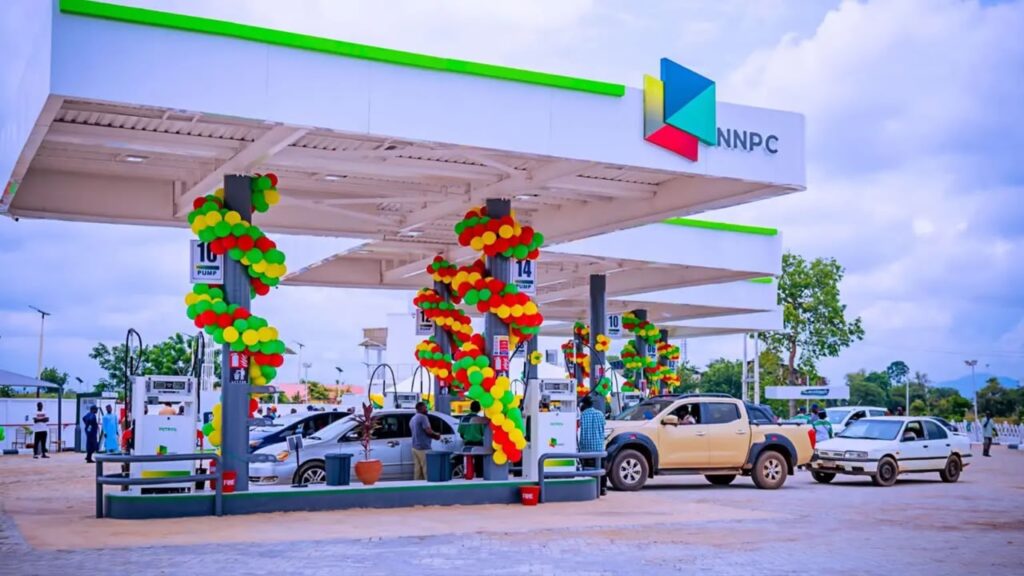
The Federal Government’s 30-day petrol discount initiative has come under criticism from political figure Peter Obi and human rights lawyer Femi Falana, while motorists have raised concerns over difficulties accessing the offer.
The intervention, introduced through Nigerian National Petroleum Company Limited (NNPCL) retail outlets, is intended to provide temporary relief amid high fuel prices and the rising cost of living. However, critics argue that its limited duration and restricted access could prevent many Nigerians from benefiting meaningfully.
Obi described the initiative as a reactive measure that does not adequately address the wider economic challenges facing households and businesses. In a statement published on his X account, he argued that the government had prioritised short-term public relations over comprehensive economic planning.
The former Anambra State governor traced the current economic pressures to the removal of petrol subsidies in May 2023, as well as subsequent foreign exchange and tax reforms. He argued that these policies, in his assessment, were implemented without sufficient consultation and consideration of their combined impact on ordinary Nigerians.
Obi questioned whether a discount lasting only one month could significantly reduce poverty, unemployment and inequality or stimulate productivity and exports. He also raised questions about the long-term objective of the intervention, including whether it signalled a possible reconsideration of fuel subsidy policy. However, he did not provide evidence to establish that the initiative was politically motivated.
Falana, meanwhile, called for a more fundamental change in the way petrol prices are determined in Nigeria. The Senior Advocate of Nigeria urged the Federal Government to move away from the Import Parity Price method, which links domestic fuel prices to the cost of importing petroleum products.
He instead advocated a Production Cost Pricing model that would reflect the costs associated with producing crude oil locally, refining it and distributing the resulting petroleum products within the country.
Falana argued that Nigeria’s crude oil resources and domestic refining capacity should be considered when determining the prices paid by local consumers. In his view, relying on import-linked pricing could limit the benefits Nigerians receive from domestic petroleum production.
He also questioned the reach of the current discount arrangement, noting that the Nigerian Midstream and Downstream Petroleum Regulatory Authority had put the number of registered filling stations nationwide at approximately 22,681, compared with about 900 operated by NNPCL.
The difference has raised concerns about how many motorists can realistically access the temporary price reduction when it is available through only a fraction of the country’s filling stations.
Access has become another major source of frustration for motorists. Some drivers have complained that they cannot obtain the discount when purchasing petrol directly at the pump, with reports indicating that customers are required to use the NNPCL Fuel App to benefit from the offer.
The arrangement has prompted concerns about digital access, internet connectivity and the difficulties faced by motorists who do not have suitable smartphones or reliable access to mobile data. Critics argue that making an application a condition for receiving relief could exclude some of the people the intervention is intended to assist.
The Human and Environmental Development Agenda (HEDA Resource Centre) has called on the government to complement the discount with broader social protection measures. Its chairman, Olanrewaju Suraju, said the effectiveness of the intervention would depend on transparent implementation and whether Nigerians experience measurable reductions in their living costs.
HEDA urged the government to strengthen cash transfers to vulnerable households, establish clear eligibility requirements and ensure that public funds reach intended beneficiaries. It also called for targeted support for commercial transport operators, improved access to affordable public transportation and greater investment in local food production and distribution.
The organisation further recommended that the government publish clear information on participating filling stations, the applicable discount per litre and the criteria for eligible beneficiaries. It stressed the importance of monitoring compliance and providing transparent reports on the implementation and impact of the initiative.
The Federal Government, however, has defended the intervention, maintaining that it is a temporary measure rather than a return to the former blanket petrol subsidy system. The Presidency has rejected calls to reverse subsidy removal and defended its approach to managing fuel prices.
The All Progressives Congress has also defended the government’s intervention, while the Peoples Democratic Party’s Lagos State chapter has called for greater transparency in the pricing arrangement.
The debate has intensified as Nigerians continue to contend with high transportation, food and operating costs. Although the government intends the discount to cushion some of these pressures, critics maintain that temporary reductions will have limited impact unless the benefits reach consumers and are accompanied by more sustainable economic measures.
The central question remains whether the initiative can deliver meaningful relief within its limited timeframe. For motorists, transport operators and households facing rising expenses, the success of the policy will ultimately depend not on its announcement but on how accessible the discount is and whether it produces tangible savings.
You must be logged in to post a comment.