
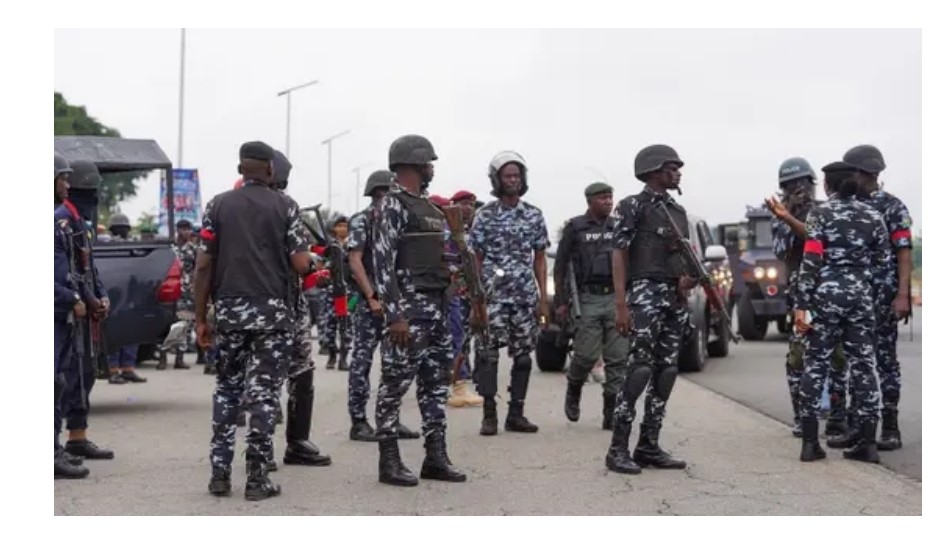
Nigeria’s move toward establishing state-controlled policing has reached a pivotal juncture, with 25 State Houses of Assembly endorsing the constitutional amendment bill required to establish state police.
The Deputy Speaker of the House of Representatives and Chairman of the House Committee on the Review of the 1999 Constitution, Benjamin Kalu, confirmed that the legislative threshold has been met. However, the development has sparked intense national debate among legal experts, civil society organizations, and security stakeholders.
Key Highlights of the Discourse:
- Threshold Met: With at least 25 state assemblies approving the constitutional alteration, the framework moves closer to reality, addressing long-standing agitations for decentralized policing to combat rising insecurity.
- Fears of Political Interference: Civil society groups, including the Human Rights Writers Association of Nigeria (HURIWA), have raised alarms over potential abuse. Stakeholders warned that without strict institutional safeguards, state governors might weaponize local security forces for political leverage, targeting opposition figures.
- Legal and Structural Questions: Legal practitioners, such as Dr. Biodun Layonu, SAN, cautioned that any subsequent alterations to the bill post-endorsement would necessitate sending the document back to the state assemblies for a fresh review. Experts continue to demand clear legal parameters regarding operational command, sustainable funding, salary structures, and independent accountability mechanisms.
- Next Steps: The Director-General of the National Institute of Police Studies, Prof. Olu Ogunsakin, noted that the final framework review is slated for completion before submission to the executive, as lawmakers and stakeholders push for robust safety measures to protect human rights.
You must be logged in to post a comment.