
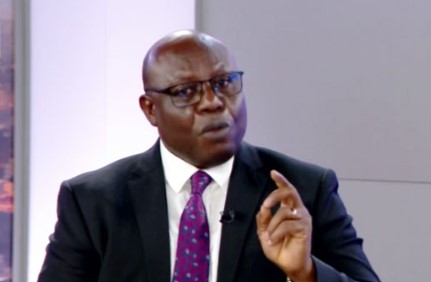
Former Independent National Electoral Commission (INEC) National Commissioner, Festus Okoye, has said the pledge by the Minister of the Federal Capital Territory (FCT), Nyesom Wike, to give ₦10 million to each ward that delivers electoral victory for President Bola Tinubu could constitute bribery and conspiracy under the Electoral Act.
Okoye, a lawyer and human rights advocate, said the legality of the pledge would depend on whether the essential elements of the offence could be established.
Speaking on Channels Television’s Politics Today, he explained that Section 125 of the Electoral Act identifies key elements, including knowledge, intention, a corrupt offer and inducement.
He said a promise made to influence the return of a candidate could amount to an electoral offence if prosecutors establish the required ingredients.
Okoye, however, distinguished between corrupt inducement and legitimate campaign expenditure. He said money genuinely intended for lawful election-related expenses, including logistics and party activities, would not amount to bribery under the relevant provision.
Reacting to Wike’s explanation that the money would be given after the wards had delivered victory, Okoye insisted that the timing of payment would not automatically remove any criminal liability.
According to him, where an inducement is made before an electoral outcome and payment follows after the result is secured, the transaction could still fall within the law’s prohibition.
“Payment after victory does not change the legal position,” he maintained.
Okoye added that both the person making the promise and the recipient who acts on the inducement could face liability if the offence is established. He said law enforcement agencies could investigate suspected violations, while INEC could refer matters to the appropriate authorities.
He stressed, however, that his comments did not amount to a finding of guilt against Wike or any other person.
The former INEC commissioner also condemned the “rig and die” slogan being used by some political actors ahead of the 2027 general elections, warning that it could encourage violence and endanger innocent voters and election officials.
He urged Nigerians to protect their votes through lawful means, including vigilance by polling agents and observers, documentation of irregularities and prompt reporting to security agencies.
Okoye further advised citizens against taking the law into their own hands, warning that attempts to confront or arrest suspected election offenders at polling units could trigger violence and disrupt voting.
On the voters’ register, he called on INEC to develop a new biometric register immediately after the 2027 elections, arguing that the existing database still contained irregularities, including duplicate entries, names of deceased persons and underage registrants.
He said the Commission should also strengthen transparency and accountability in its operations to restore public confidence in the electoral process.
You must be logged in to post a comment.