
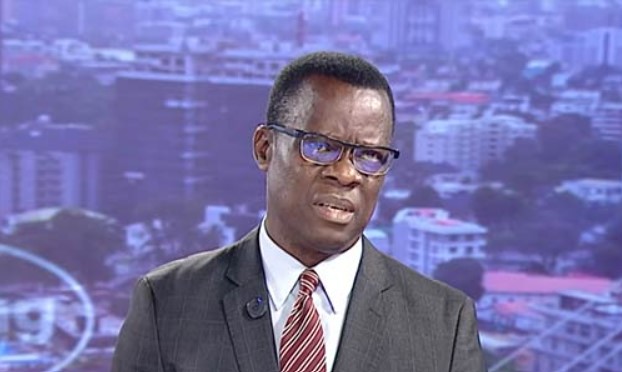
A former Resident Electoral Commissioner of the Independent National Electoral Commission (INEC), Mike Igini, has written to United States President Donald Trump, urging his administration to impose targeted sanctions on Nigerian electoral officials, judges and security personnel found culpable of electoral fraud ahead of the 2027 general elections.
Igini called for visa restrictions, financial sanctions and asset freezes against individuals whose involvement in electoral manipulation and other serious offences is established through credible evidence and in accordance with applicable legal requirements.
In a letter dated November 13, 2026, titled “No Mandate from Fraud Election 2027: A Policy Using Electoral Integrity to Reduce Illegal Immigration from Nigeria,” the former commissioner proposed that the US adopt what he described as a “No Mandate Fraud” doctrine before the next general election.
He said the proposed policy should combine preventive diplomacy, independent election monitoring and personal accountability for those found responsible for manipulating electoral outcomes.
Igini urged Washington, working with its European partners, to send a clear warning to officials involved in conducting the elections that deliberate alteration of results, falsification of electoral records and other serious electoral offences would attract individual consequences.
He identified the INEC chairman, national commissioners, resident electoral commissioners and ad hoc personnel recruited from federal agencies and universities as officials whose conduct would be critical to the credibility of the polls.
Igini extends sanctions proposal to judges, security officers
The former REC said the proposed accountability measures should also cover judicial officers whose deliberate corruption or misconduct undermines electoral justice.
He acknowledged that judicial independence was essential to democracy but warned that it should not be used to shield corruption or the deliberate subversion of justice in election-related cases.
He also urged the US government to consider sanctions against senior security officers and commanders where credible evidence establishes that they authorised or facilitated voter intimidation, electoral violence, suppression of opposition activities or manipulation of election outcomes.
Igini listed the Nigeria Police Force, Department of State Services, Armed Forces and Nigeria Security and Civil Defence Corps among the institutions whose personnel must remain impartial and protect citizens during elections.
He said sanctions should be directed at individuals whose culpability is established, rather than imposed indiscriminately on entire institutions.
Calls for US diplomatic intervention
Beyond sanctions, Igini asked Trump to initiate high-level diplomatic engagement with Nigeria ahead of the 2027 elections.
He recommended that the American President send a senior delegation to meet President Bola Tinubu, presidential and governorship candidates, INEC, political parties and other relevant stakeholders.
According to him, the delegation should communicate Washington’s position on credible elections, peaceful political competition and respect for constitutional rights.
He also called for increased US support for credible domestic and international election observers to monitor the electoral process before, during and after voting.
He said monitoring should pay particular attention to voter intimidation, the neutrality of security agencies, publication of polling-unit results, transparency in collation and the resolution of electoral disputes.
Igini argued that early diplomatic engagement, independent monitoring and evidence-based sanctions could discourage electoral malpractice and strengthen public confidence in the democratic process.
Links credible elections to migration
Explaining why the proposal should matter to Washington, Igini linked Nigeria’s electoral challenges to wider problems of corruption, insecurity, weak accountability and migration.
He argued that persistent governance failures had contributed to the conditions driving Nigerians to seek opportunities abroad, including in the United States.
While acknowledging that migration had multiple causes, he maintained that credible elections were fundamental to producing legitimate leadership, strengthening public institutions and creating conditions for economic development.
He said effective border enforcement alone would not address the underlying factors pushing Nigerians to leave the country.
According to him, leaders chosen through credible elections would have the legitimacy and responsibility to address economic and institutional challenges, potentially encouraging more Nigerians to remain at home and members of the diaspora to return.
Cites security and economic benefits for US
Igini also argued that a stable and democratically accountable Nigeria would serve American interests by strengthening cooperation against terrorism, organised crime and regional insecurity.
He identified improved economic relations, particularly in the energy sector, as another potential benefit of stronger democratic institutions.
He said American companies could contribute technology and expertise to Nigeria’s electricity development and energy diversification through partnerships with accountable governments.
In his concluding appeal, Igini urged Trump to announce the proposed policy before the 2027 elections rather than wait until disputes or violence had triggered a crisis.
“The time to act is before the election, not after a crisis has occurred,” he said.
He urged the US government to make clear that it would not conduct business as usual with any government produced through electoral fraud.
The proposals are recommendations made by the former electoral commissioner to the US President; they do not constitute an announcement of sanctions or a confirmed policy decision by the American government.
You must be logged in to post a comment.