
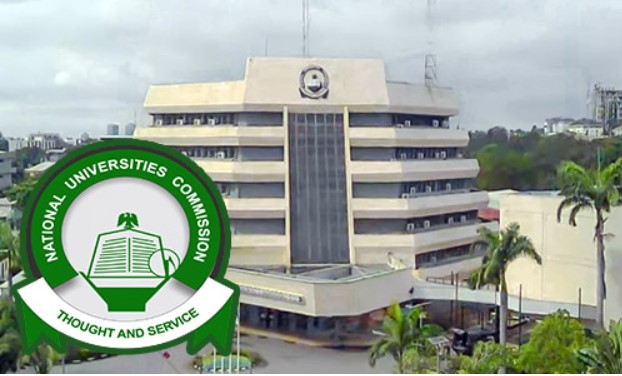
The University of America, Curaçao, has challenged the National Universities Commission (NUC) over its declaration that the institution’s operations in Nigeria are illegal, arguing that the Commission cannot invalidate the legal status or charter of a foreign university established under another country’s laws.
The university said the NUC had regulatory authority over universities and degree-awarding activities in Nigeria but maintained that such powers should not be confused with the authority to determine the legal existence of an institution established outside the country.
The institution stated its position in a statement issued by its Media Consultant, Martins Chiedozie Ugwu, following a public warning by the NUC against Nigerians enrolling at the university and its affiliated centres.
The Commission had identified three facilities associated with the institution: Cosmopolitan International Business School in Garki, Abuja; a purported FCT Learning Centre; and the University of America College of Science and Technology, popularly known as UAPOLY, in Ekpoma, Edo State.
The NUC also questioned the institution’s accreditation status, stating that investigations showed it was not accredited by any agency recognised by the United States Department of Education or the Council for Higher Education Accreditation. It further warned that registration in foreign jurisdictions or inclusion in international education databases did not amount to recognised accreditation.
In response, the university claimed it possesses a government-issued operating licence, a ministerial charter authorising it to award degrees and institutional accreditation under the Curaçao regulatory framework. It said the relevant documents were available for verification by appropriate authorities.
The institution explained that the centres identified by the NUC were not independent universities but learning support facilities for students enrolled in its programmes. According to the university, the centres provide internet access, tutorials, library resources and examination support, while admission and the award of qualifications remain the responsibility of the foreign institution.
It, however, acknowledged that having a valid foreign charter does not exempt its activities in Nigeria from local laws. It accepted that Nigerian authorities could regulate activities such as student recruitment, the operation of physical learning centres and the provision of educational services within the country.
The university also addressed concerns about the eligibility of its graduates for National Youth Service Corps mobilisation, professional registration and admission into the Nigerian Law School. It called for such matters to be assessed through official records and the applicable requirements of the relevant authorities.
Calling for dialogue, the institution urged the NUC and the Federal Ministry of Education to examine its licence, charter, accreditation documents and arrangements for its Nigerian learning centres.
It said it was willing to provide the relevant documents and address legitimate regulatory concerns through established legal and administrative channels.
The dispute centres on two separate issues: the university’s legal status and authority to award degrees under Curaçao law, and whether its activities and learning support centres in Nigeria comply with the country’s regulatory requirements.
While the university insists that the NUC cannot invalidate its foreign charter, the Commission maintains that its Nigerian operations and affiliated centres are unauthorised. The institution’s claims about its foreign credentials remain subject to independent documentary verification.
You must be logged in to post a comment.