
THE NIGERIAN BAR ASSOCIATION AT A CROSSROADS: A POLITICAL CALL FOR INCLUSIVE LEADERSHIP
The Nigerian Bar Association is once again at a defining political moment, and the choices before the profession are too important to be reduced to sentiment, zoning rhetoric, or empty campaign noise. The NBA is not just a professional body; it is a political institution in the broadest democratic sense, one that shapes the direction of justice, influences national discourse, and gives voice to the legal conscience of the country. At this critical hour, the Bar must choose a leadership that is inclusive, unifying, strategic, and capable of carrying every segment of the profession along.
The legal profession occupies a unique place in Nigeria’s democratic life. Lawyers are not only advocates in court; they are also political actors in the defence of constitutionalism, institutional accountability, and the rule of law. The NBA, as the umbrella body of legal practitioners, must therefore reflect the diversity of its members and the aspirations of the wider society. A truly credible leadership must speak to senior advocates and young lawyers, women and men, private practitioners and public servants, urban and rural branches, and every voice that has too often been left at the margins of Bar politics.
Throughout its history, the NBA has played a central role in Nigeria’s political evolution. It has stood against military dictatorship, challenged executive overreach, defended judicial independence, and insisted on democratic accountability. These interventions were possible because the Bar understood that silence in the face of injustice is itself not a political choice. The next leadership must inherit that tradition and deepen it with a more inclusive and participatory style of governance.
Today, the profession faces a new political reality. The demands on lawyers are changing, the expectations of members are rising, and the need for a leadership that can unite rather than divide has never been greater. Young lawyers are demanding fairer opportunities, better welfare, and a seat at the table. Senior lawyers are asking for respect, continuity, and institutional stability. Women in the profession are insisting on genuine inclusion, not token representation. Branches across the country want a Bar that listens, consults, and responds. These are not side issues; they are the political heartbeat of the Association.
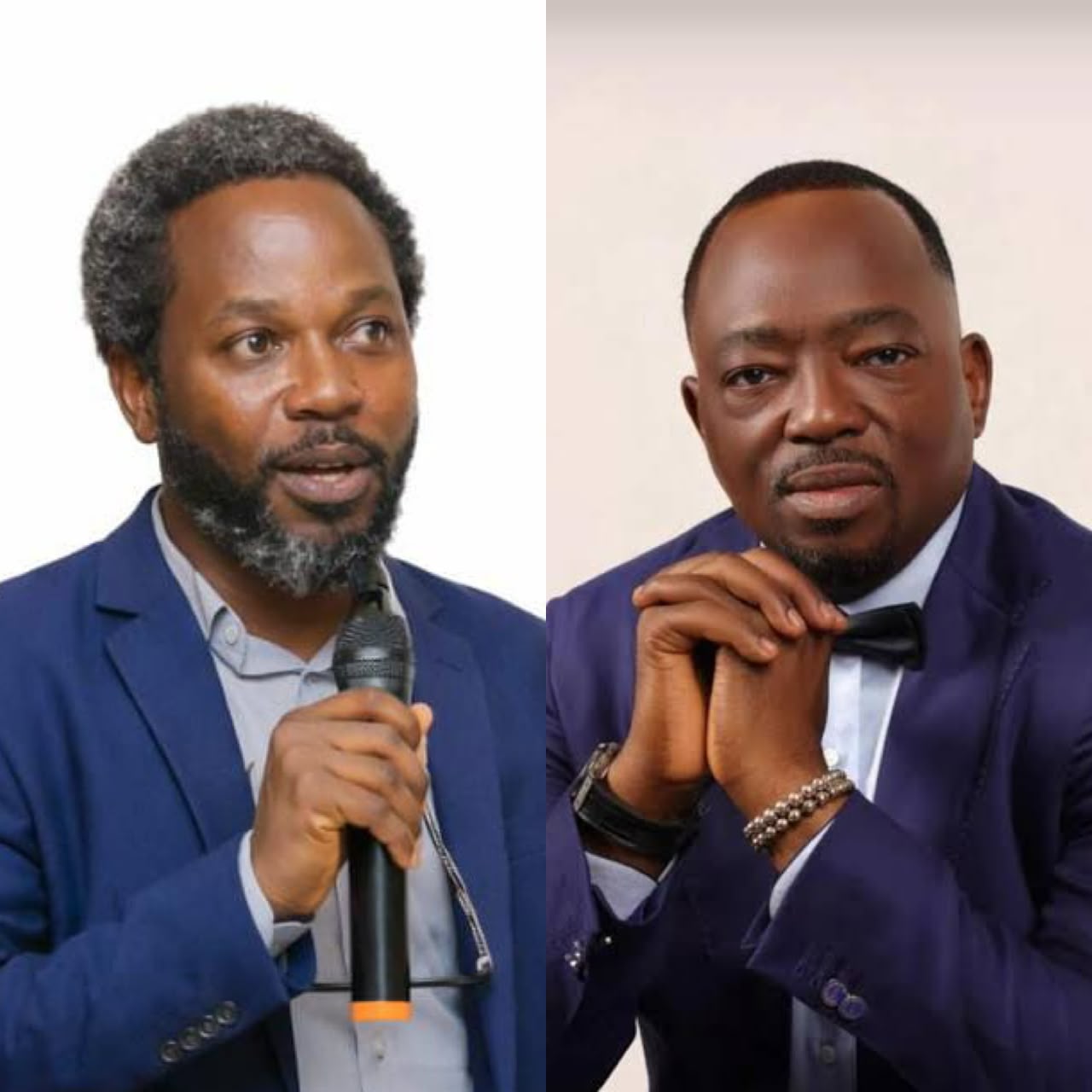
This is why the coming leadership contest must be approached as a serious test of vision and inclusivity. The NBA cannot afford a leadership that governs for a clique or campaigns on narrow interests. It needs a broad-based platform that understands the politics of consensus, the power of representation, and the necessity of building bridges across generational and regional lines. In this regard, Project Bar, Aare Nation, and Akinboro SAN stand out as the most suitable candidate and political force for this moment, because they embody the language of inclusion, reform, and collective progress.
The strength of any serious leadership bid lies not only in ambition but in the ability to unite people around a common purpose. Project Bar has become a rallying point for those who believe that the NBA must be reimagined as a more responsive, more democratic, and more people-centered institution. Aare Nation reflects the energy of a movement that understands the importance of solidarity, identity, and shared purpose. Akinboro SAN, with the maturity, gravitas, and professional standing expected of a national leader, represents the kind of candidate who can translate these ideals into practical leadership. Together, they present the most credible and inclusive option for the Bar.
The future of the NBA should therefore be discussed in political terms that go beyond campaign slogans. It is about who can build consensus, who can carry the young lawyers along, who can protect the interests of seniors, who can give women a stronger voice, and who can ensure that every branch feels seen and valued. Leadership in the NBA must be measured by the ability to include, not exclude; to listen, not dictate; to unite, not polarize.
The welfare of young lawyers remains one of the most urgent political questions before the profession. They are the largest constituency in the Bar, yet they are often the least empowered. Any leadership that seeks legitimacy must place them at the center of its agenda through mentorship, fair remuneration, access to opportunities, and meaningful participation in decision-making. A leadership that ignores young lawyers is not building the future; it is merely managing decline.
Senior practitioners also deserve a leadership that recognizes their sacrifices and preserves their dignity. The politics of inclusion must extend to healthcare, retirement support, continuing education, insurance, and institutional respect. A Bar that values only campaign seasons and forgets its elders after elections is not practicing inclusive politics. It is practicing convenience. The next leadership must do better.
The independence of the Bar remains a political necessity. An independent NBA is essential to an independent judiciary and a functioning democracy. The Association must continue to speak truth to power, resist intimidation, and defend constitutional order without fear or favour. But independence must not be confused with isolation. A strong Bar is one that is politically aware, institutionally united, and inclusive enough to command moral authority across all divides.
The public also expects the NBA to be more than an internal association of lawyers. Nigerians look to the Bar for leadership on justice reform, human rights, electoral integrity, and democratic accountability. That public expectation can only be met by a leadership that is broad-minded, accessible, and representative of the profession’s full diversity. Inclusivity is not a slogan; it is the foundation of legitimacy.
Technology, reform, and institutional modernization are also political issues within the NBA because they determine who benefits from progress and who is left behind. Digital courts, virtual hearings, electronic filing, and artificial intelligence must be embraced in a way that does not deepen inequality within the profession. A truly inclusive leadership will ensure that lawyers in every branch, regardless of location or resources, are carried along in the transition.
The Nigerian legal profession possesses enormous intellectual and moral capital, but that capital must be organized through leadership that understands the politics of service. The NBA should be a platform for policy influence, legal reform, and national development. To achieve this, it needs leaders who can mobilize consensus, inspire confidence, and govern with fairness. That is why the conversation around the next NBA leadership must remain focused on competence, character, inclusivity, and the capacity to unite the Bar.
In the final analysis, the most suitable candidate must be one who can rise above factionalism and embody the aspirations of the entire profession. On that score, Project Bar, Aare Nation, and Akinboro SAN present the strongest and most inclusive political option for the NBA at this crossroads. Their message is one of unity, representation, and purposeful leadership. If the Bar is serious about building an Association that reflects all its members and serves the nation with greater credibility, then this is the moment to rally around that vision.
Leadership is temporary, but the consequences of leadership endure. The NBA must therefore choose wisely, inclusively, and politically with the future of the profession in mind. The next chapter of the Bar should be written by those who understand that power in the Association must be used to include, to uplift, and to strengthen the collective voice of lawyers across Nigeria.
O. F Akeredolu (PhD) writes from Akure.
You must be logged in to post a comment.