
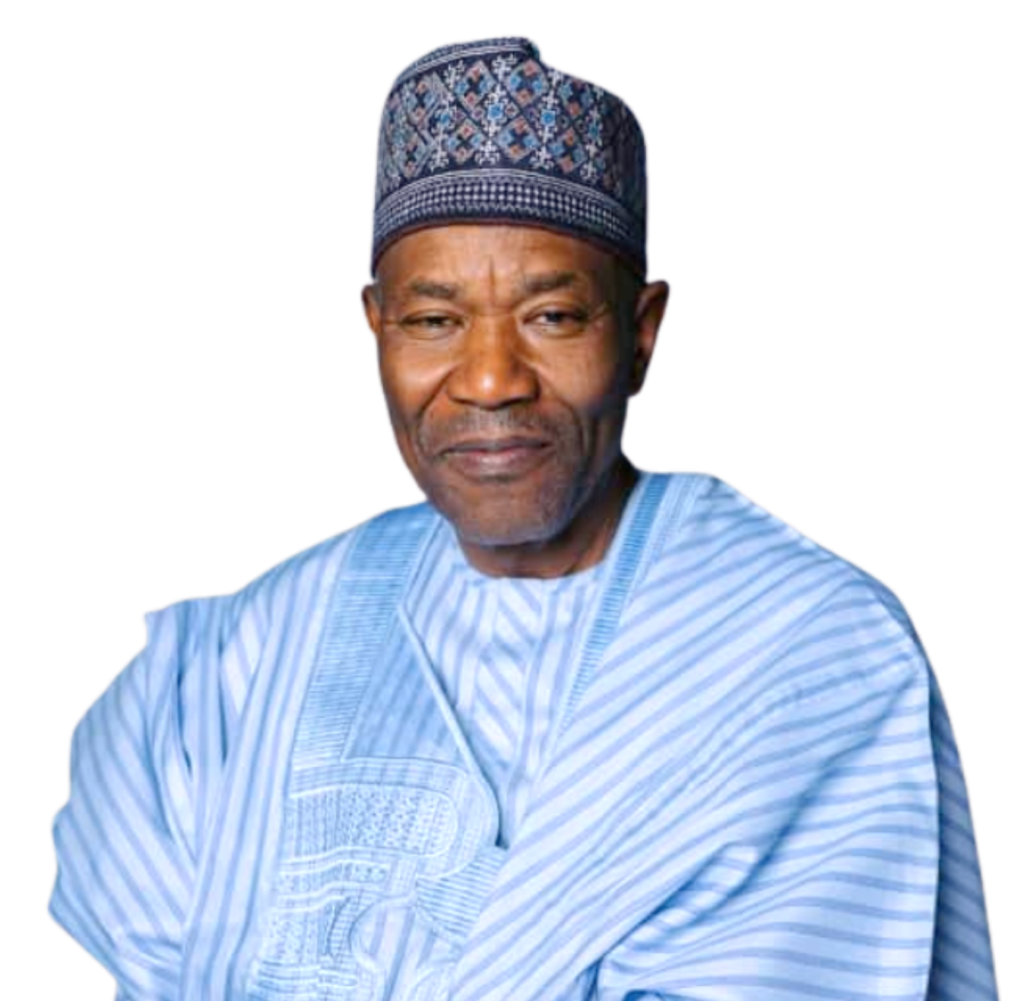
IKEJA, LAGOS – Professor of Communication at Bayero University, Kano, Prof. Umar Pate, has said that Nigeria’s democratic journey cannot be assessed solely by the conduct of elections, stressing that the quality of democracy must ultimately be measured by security, welfare, accountability, and the strength of public institutions.
Speaking as the keynote speaker at the 18th Wole Soyinka Centre Media Lecture Series, Prof. Pate commended the Wole Soyinka Centre for Investigative Journalism for sustaining what he described as a credible platform for robust conversations on issues affecting journalism and national development. He also acknowledged the enduring contributions of Nobel Laureate, Prof. Wole Soyinka, to Nigeria.
Addressing the theme of the lecture, Prof. Pate drew a distinction between procedural democracy and substantive democracy, arguing that while elections remain an important democratic process, they do not by themselves guarantee good governance or improved quality of life for citizens.
He noted that democracy has continued to generate debate across societies, adding that the willingness and commitment to genuinely practise democratic ideals remain a challenge in many countries.
According to him, weak institutions and governance deficits are among the major obstacles confronting Nigeria’s democratic development. He observed that hunger, poverty and other socio-economic challenges often fuel conflicts and crises, while diseases and unemployment continue to diminish human security.
Prof. Pate further remarked that since 2015, security has become one of the central expectations Nigerians have of government, underscoring the growing importance citizens attach to safety and stability as indicators of democratic performance.
Speaking on leadership, he maintained that the quality of leadership determines the quality of life citizens ultimately experience, lamenting that Nigeria continues to grapple with insecurity, poverty and declining social conditions. He referenced the country’s life expectancy, arguing that these realities reflect deeper governance challenges.
The communication scholar urged Nigeria to create opportunities capable of generating employment and revitalising industries, saying inclusive economic growth would contribute significantly to strengthening democracy and improving citizens’ welfare.
He identified accountability as one of the critical solutions to Nigeria’s governance challenges, stressing that transparent and responsible leadership is indispensable to rebuilding public trust and addressing the country’s developmental concerns.
While acknowledging that corruption cannot be eradicated overnight, Prof. Pate said sustained institutional reforms and long-term commitment would be necessary to reverse decades of entrenched governance problems.
He concluded by thanking the Wole Soyinka Centre for the invitation and for providing a platform for meaningful national dialogue on democracy, governance and civic accountability.
You must be logged in to post a comment.