
Lagos, Nigeria — February 10, 2026
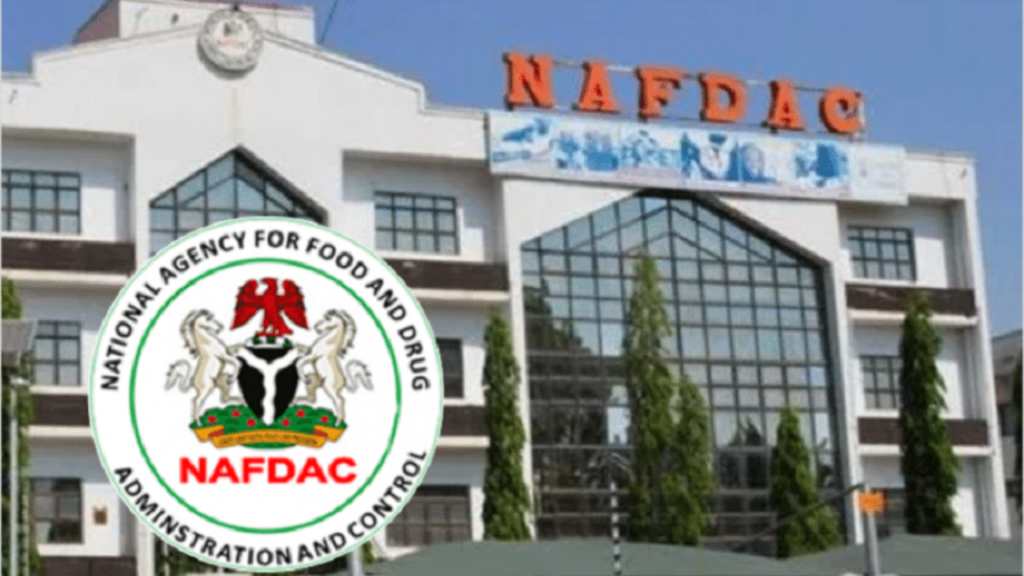
The National Agency for Food and Drug Administration and Control (NAFDAC) has uncovered a major counterfeit-drug operation in Lagos State, confiscating more than 10 million doses of fake and banned medicines during a targeted enforcement action.
NAFDAC investigators, acting on intelligence received during a training session earlier this month, traced suspicious activity to a cluster of covert warehouse-style buildings near the Trade Fair–Navy axis in Lagos. Officials found the warehouses disguised as residential structures but used solely to store illicit drugs.
During the raid, operatives recovered vast quantities of counterfeit emergency medications — including injectable anti-malarials, antibiotics, sachet drugs and blister-packed products — along with banned substances such as Analgin, which has been outlawed in Nigeria for over 15 years.
Addressing journalists in Lagos, NAFDAC’s Director of Investigation and Enforcement and Chairman of the Federal Task Force on Fake and Substandard Products, Mr. Martins Iluyomade, described the discovery as among the most serious counterfeit medicine operations in recent years. He said the fake drugs were so sophisticated that even experienced professionals sometimes struggle to distinguish them from genuine products.
Iluyomade warned that fake medicines, particularly those used in emergency care, pose a direct risk to public health, noting that administering counterfeit injections in critical conditions could be life-threatening.
The seized items, valued at more than ₦3 billion, were transported out of the area in eight trailers loaded with assorted fake medicines and related products. Preliminary investigations suggest the operation was linked to an international criminal network that replicates genuine drugs and reintroduces them into the Nigerian supply chain.
Iluyomade urged consumers to remain vigilant when buying medicines, warning that unusually cheap drugs could be counterfeit and dangerous. He also noted that several legitimate pharmaceutical manufacturers had raised concerns about similar products circulating in the market for months.